The dreaded moment when your car won’t start is a common and frustrating experience. Often, the culprit is a dead battery. While calling a mechanic is always an option, knowing how to change a car battery yourself can save you time, money, and a lot of hassle. It’s a relatively simple DIY task that requires a few basic tools and a good understanding of safety precautions.
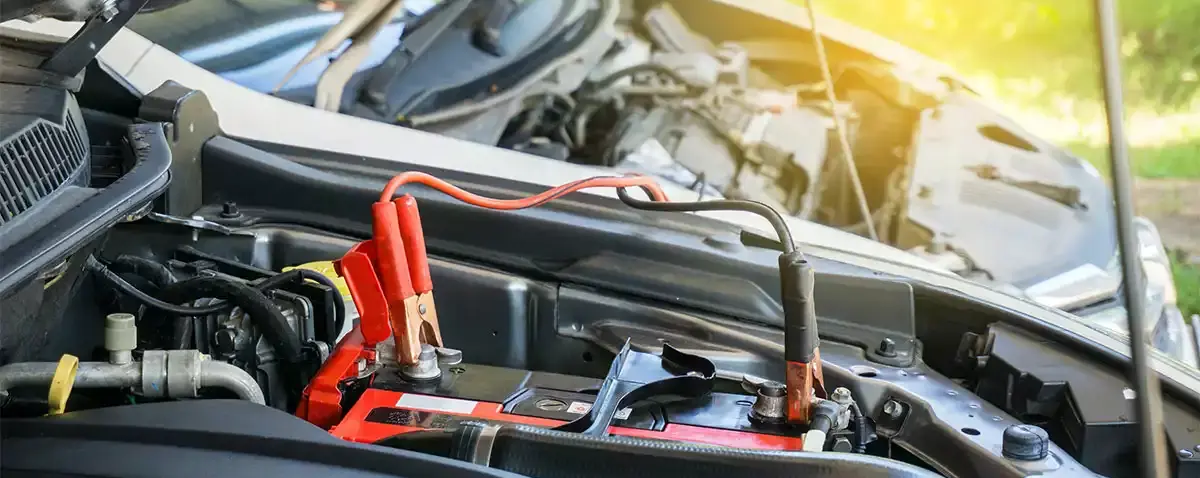
This guide will walk you through the entire process, from diagnosing the problem to safely installing a new battery. By the time you’re done, you’ll feel confident and empowered to handle this common car maintenance issue on your own.
Part 1: Safety First – The Essential Precautions
Before you even think about touching the battery, it’s crucial to prioritize safety. Car batteries contain sulfuric acid, which is highly corrosive, and they can produce explosive hydrogen gas.
- Turn Off the Engine: Ensure your car’s engine is completely off. Remove the keys from the ignition to prevent any accidental electrical shocks or starting of the vehicle.
- Wear Protective Gear: Always wear safety glasses to protect your eyes from acid splatters. Gloves are also a good idea to protect your hands.
- Work in a Ventilated Area: Never work on a car battery in an enclosed space like a small garage. The hydrogen gas produced can build up and become a fire hazard.
- No Smoking or Sparks: Keep any open flames, cigarettes, or sparks away from the battery. A simple spark could ignite the hydrogen gas.
- Check the Manual: Consult your car’s owner’s manual for specific instructions regarding your vehicle’s battery location and any special safety warnings.
Part 2: Disconnecting the Old Battery
Now that you’re prepared, it’s time to safely disconnect the old battery. This step is critical because disconnecting the terminals in the wrong order can cause a short circuit or damage your car’s electrical system.
- Locate the Battery: Pop the hood and locate the battery. It’s usually a large, rectangular box with two metal terminals on top.
- Identify the Terminals: The negative (-) terminal is usually marked with a minus sign and has a black cable connected to it. The positive (+) terminal is marked with a plus sign and has a red cable.
- Disconnect the Negative Terminal First: Using a wrench, loosen the nut on the clamp of the negative terminal. Once it’s loose, carefully lift the clamp off the terminal and place the cable away from the battery. Always disconnect the negative terminal first. This prevents any accidental sparks if your wrench touches the car’s body.
- Disconnect the Positive Terminal: Now, do the same for the positive terminal. Loosen the nut, lift the clamp off, and place the cable away from the battery.
- Remove the Hold-Down Clamp: Most batteries are secured by a clamp at the bottom or a strap over the top. Use a wrench or socket to unbolt this clamp and set it aside.
- Lift the Old Battery Out: Carefully lift the old, heavy battery straight up and out of its tray. Be careful, as it can be heavier than you expect.
Part 3: Installing the New Battery
With the old battery out, you’re ready to put in the new one. Make sure the new battery is the correct size and type for your vehicle.
- Clean the Tray and Cables: Inspect the battery tray for any rust or corrosion. Clean the terminals of the cables with a wire brush to ensure a good connection with the new battery.
- Place the New Battery: Carefully lower the new battery into the tray. Make sure it’s sitting securely and correctly oriented.
- Secure the Battery: Reinstall the hold-down clamp or strap and tighten it firmly. The battery should not move or shift.
- Connect the Positive Terminal First: This is the reverse of the removal process. Connect the positive cable to the positive terminal and tighten the nut securely.
- Connect the Negative Terminal Last: Finally, connect the negative cable to the negative terminal and tighten it.
- Test It Out: Double-check that all connections are tight and secure. Close the hood, get in your car, and try to start the engine. If all went well, your car should start right up.
Conclusion: A Confident Driver
Knowing how to change a car battery is a valuable skill that can save you time and money. It’s an important part of basic car maintenance that empowers you to handle minor issues on your own. Remember to always prioritize safety, follow the correct order for disconnecting and reconnecting the terminals, and take your old battery to an auto parts store for proper recycling. With these tips, you’ll be well-equipped to get back on the road safely and efficiently.