A Comprehensive Guide to Sourcing and Restoring Antique Auto Parts

For the classic car enthusiast, there is no sound quite like the rhythmic rumble of a vintage engine or the solid thud of a heavy steel door from the mid-20th century. Antique automobiles are more than just modes of transportation; they are rolling time capsules, representing the engineering triumphs and aesthetic sensibilities of a bygone era. However, the greatest challenge in maintaining these mechanical treasures lies in the hunt for authentic antique auto parts.

As the years pass, the pool of original components shrinks, making the restoration process both a labor of love and a complex logistical puzzle. This article explores the world of antique auto parts, offering insights into sourcing, the differences between part categories, and the best practices for preserving automotive history.


Defining the Hunt: Understanding Part Classifications

When embarking on a restoration project, the terminology used in the marketplace is the first thing an owner must … Read more

Beyond the Tread: How to Choose the Right Tires for Your Car


Tires are often the most overlooked part of a car, yet they are the only thing connecting your vehicle to the road. The right set of tires can dramatically improve your car’s safety, performance, and fuel efficiency. The wrong ones can put you at risk and lead to a less than ideal driving experience. With countless options on the market, choosing the “best” tire can be overwhelming.

This article will break down the essential factors to consider when selecting new tires, helping you make a smart, informed decision that will keep you safe on the road.


Understanding the Basics: Tire Size and Type

Before you even start looking at brands, you need to know what you’re looking for. The first step is to get the correct size and type for your vehicle.

  • Check the Sidewall: Your car’s tire information is located in a few places: on the tire’s sidewall,
Read more

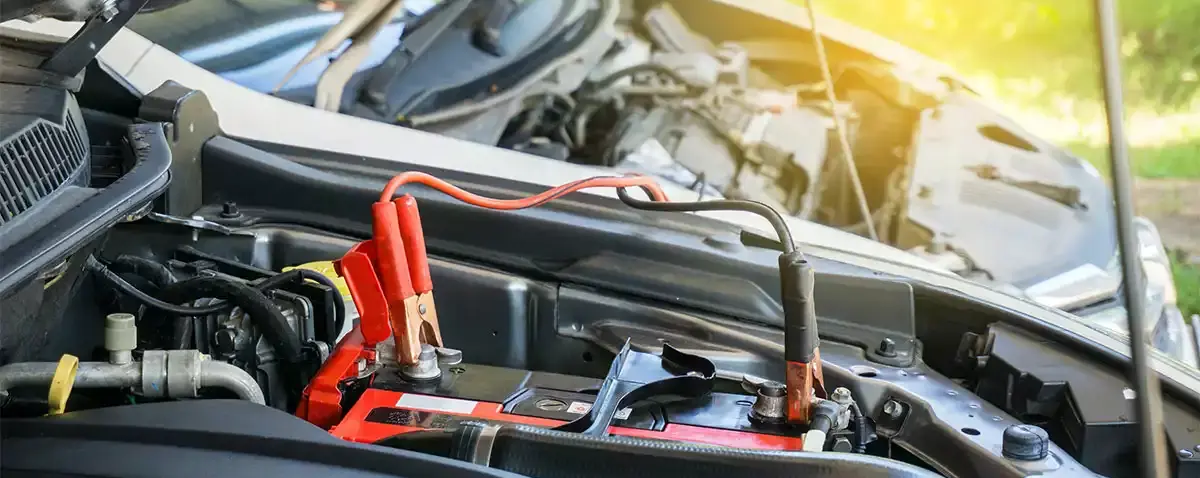
How to Change a Car Battery: A Step-by-Step Guide


The dreaded moment when your car won’t start is a common and frustrating experience. Often, the culprit is a dead battery. While calling a mechanic is always an option, knowing how to change a car battery yourself can save you time, money, and a lot of hassle. It’s a relatively simple DIY task that requires a few basic tools and a good understanding of safety precautions.

This guide will walk you through the entire process, from diagnosing the problem to safely installing a new battery. By the time you’re done, you’ll feel confident and empowered to handle this common car maintenance issue on your own.


Part 1: Safety First – The Essential Precautions

Before you even think about touching the battery, it’s crucial to prioritize safety. Car batteries contain sulfuric acid, which is highly corrosive, and they can produce explosive hydrogen gas.

  • Turn Off the Engine: Ensure your car’s engine
Read more