The pre-owned automotive market presents an extraordinary opportunity for buyers seeking reliable transportation without the rapid financial depreciation associated with buying brand-new vehicles. Used car dealerships serve as the primary bridge between seller inventory and prospective buyers, offering access to diverse vehicle makes, models, price points, and financing options under one roof.
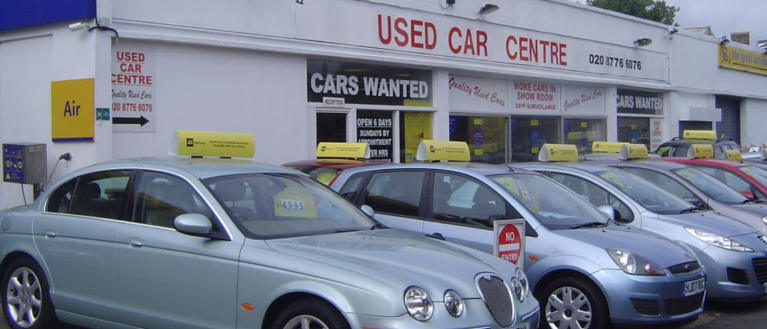
However, entering a used car dealership without a clear strategy can lead to confusion, overspending, or selecting a vehicle that fails to meet your long-term needs. Understanding how used car dealerships operate, knowing how to evaluate inventory, and mastering the purchasing process enables you to navigate the sales floor with confidence and secure optimal value. Here is a comprehensive guide to evaluating used car dealerships and landing the right vehicle.
The Landscape of Used Car Dealerships
Not all dealerships operate under the same business model. Recognizing the structural differences among sellers helps you align your expectations regarding inventory quality, pricing flexibility, and warranty support.
Franchise Dealership Pre-Owned Lots
Franchise dealerships primarily sell new vehicles for specific manufacturers but maintain substantial used car inventories. These lots typically feature trade-in vehicles and off-lease returns. They generally offer Certified Pre-Owned (CPO) programs backed by manufacturer warranties, rigorous multi-point inspections, and late-model vehicles with low mileage. While listing prices may be slightly higher, franchise lots offer strong buyer protection and established service departments.
Independent Used Car Dealerships
Independent dealerships focus exclusively on pre-owned inventory, sourcing vehicles from auctions, trade-ins, and direct acquisitions. They offer a broader spectrum of price points, older vehicle models, and varied automotive brands. Independent lots often provide competitive pricing and flexible negotiation opportunities, though buyers must take extra care to verify vehicle condition independently.
Buy Here Pay Here (BHPH) Dealerships
Buy Here Pay Here facilities handle both the vehicle sale and the auto loan in-house, catering primarily to buyers with limited or damaged credit histories. While they provide access to transportation when traditional lenders decline financing, interest rates and vehicle markup are significantly higher. Buyers utilizing BHPH services should scrutinize loan terms carefully before signing binding contracts.
Key Criteria for Evaluating a Quality Dealership
Selecting the right vehicle begins with selecting a reputable dealer. Transparent dealerships prioritize customer satisfaction, mechanical integrity, and clear transaction terms over high-pressure sales tactics.
- Reputation and Transparency: Research customer reviews across independent online platforms. Pay close attention to how the dealership handles post-sale concerns, handles administrative paperwork, and responds to customer feedback.
- Willingness to Provide History Reports: A trustworthy dealership voluntarily provides comprehensive vehicle history reports for any car on their lot. Hide-and-seek tactics regarding a vehicle’s prior ownership, maintenance logs, or accident history are clear red flags.
- Pre-Purchase Inspection Policies: Reputable dealers welcome independent pre-purchase inspections. If a salesperson refuses to allow an off-site inspection by your trusted mechanic, consider walking away from the transaction.
Step-by-Step Strategy for Finding and Buying the Right Vehicle
Securing a dependable pre-owned vehicle at a fair price requires a methodical approach that balances online research with real-world verification.
Step 1: Secure Pre-Approved Financing
Before setting foot on a dealership lot, apply for pre-approved auto financing through your bank, credit union, or an independent lender. Securing an approved interest rate establishes a clear spending limit, prevents emotional overspending, and gives you a strong benchmark to evaluate any financing package offered by the dealership’s finance department.
Step 2: Conduct Thorough Physical and Visual Inspections
Examine the vehicle on the lot during daylight hours and in dry weather conditions. Check for uneven body panel gaps, inconsistent paint texture, or overspray, which point to previous body repairs. Inspect tire tread depth for uneven wear patterns that indicate suspension or alignment issues. Under the hood, check fluid levels, inspect rubber belts for cracking, and look for signs of oil or coolant leaks.
Step 3: Execute a Comprehensive Test Drive
Do not limit your test drive to a quick trip around the block. Drive the vehicle across various road conditions, including city streets, highway stretches, and uneven surfaces. Pay close attention to gear shifting smoothness, brake responsiveness, steering alignment, and suspension noise. Test every electronic feature inside the cabin, including air conditioning, window switches, infotainment screens, and safety sensors.
Step 4: Verify History and Obtain Professional Inspection
Cross-reference the vehicle identification number (VIN) against vehicle history databases to verify title status, past accident records, and mileage accuracy. Next, schedule an independent pre-purchase inspection with a certified mechanic. Their technical assessment can uncover hidden structural damage, fluid leaks, or worn mechanical components that are invisible during a standard walkaround.
Mastering the Negotiation and Closing Process
The negotiation phase should focus on total out-of-the-door costs rather than monthly payment amounts. Salespeople can alter monthly figures by extending loan terms while keeping the overall vehicle purchase price high.
- Negotiate Out-of-the-Door Price: Request an itemized breakdown including the vehicle sale price, documentation fees, state taxes, and registration costs. Refuse unnecessary dealer add-ons, such as overpriced fabric protection coatings, VIN etching fees, or administrative fees that were not disclosed upfront.
- Keep Trade-In Transactions Separate: If you are trading in your current vehicle, negotiate its trade-in value as an entirely separate transaction after settling on the purchase price of the new vehicle. This prevents the dealer from shifting numbers between the trade-in allowance and the vehicle purchase price.
- Review Contract Documentation Meticulously: Prior to signing final ownership and financing documents, carefully verify that all agreed-upon figures, warranty coverages, and promises of post-sale repairs are explicitly written into the contract.
Conclusion
Used car dealerships offer an effective path to acquiring quality transportation tailored to virtually any budget. By understanding different dealership business models, establishing baseline financing beforehand, prioritizing independent mechanical inspections, and maintaining clear negotiation boundaries, you transform the car-buying process from an intimidating experience into a smooth, rewarding transaction. Taking a methodical approach ensures your pre-owned vehicle investment delivers reliable performance and financial satisfaction for miles to come.