In an era defined by electric motors, integrated computing systems, and autonomous driving features, the raw, analog charm of Old Classic and Vintage Cars holds a unique and powerful magnetism. These vehicles are more than just modes of transportation; they are rolling pieces of history, artistic statements, and tangible links to a bygone era of engineering and design. The passion for these machines transcends mere nostalgia, rooting itself in mechanical purity, aesthetic permanence, and a deeply satisfying connection between driver and machine.
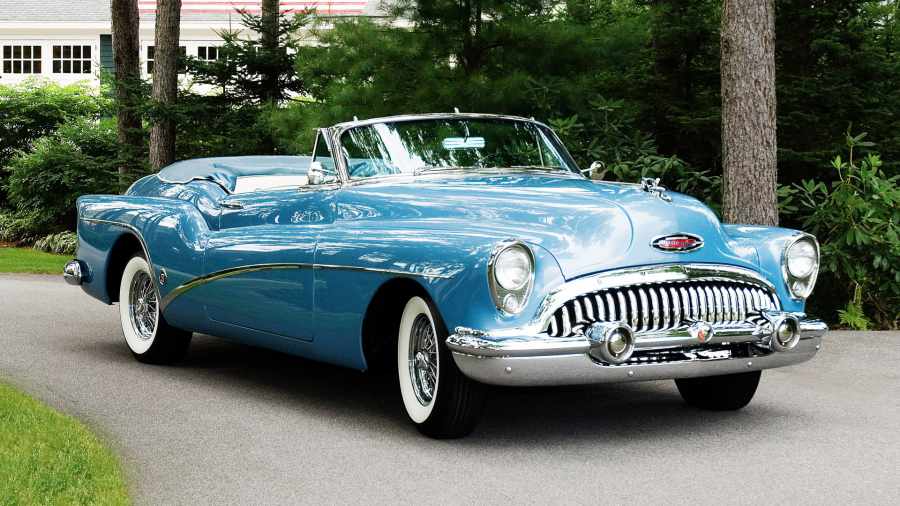
This article explores the enduring appeal of classic and vintage cars, examining why this niche continues to thrive and what makes these metallic artifacts so deeply relevant in our high-tech world.
Decoding the Terms: Classic vs. Vintage
While often used interchangeably, the terms “classic” and “vintage” carry specific meanings within the automotive community:
- Vintage Cars: Generally refers to cars manufactured between 1919 and 1930. These vehicles often represent the nascent stages of mass automotive production, featuring exposed components, minimalist design, and an emphasis on mechanical robustness over speed.
- Classic Cars: Typically refers to cars produced between 1945 and 1975 (or sometimes up to 1990, depending on the club or insurance definition). This era encompasses the golden age of American muscle, post-war European sports cars, and the dawn of aerodynamic design.
Both categories share the foundational appeal of authenticity and mechanical transparency.
The Aesthetic Revolution: Form Over Function
Modern vehicle design is heavily dictated by safety regulations, fuel efficiency requirements, and wind tunnel testing, often resulting in homogenized, streamlined shapes. Classic and vintage cars, conversely, hail from a time when design was an art form—a unique expression of cultural style and technological ambition.
Sculptural Integrity
The great classics—a 1950s Jaguar E-Type, a 1960s Chevrolet Corvette, or a 1930s Duesenberg—were designed with a bold, uncompromising focus on visual impact. They featured handcrafted body panels, elaborate chrome detailing, and sweeping fender lines that celebrated form.
- Design Identity: Each model possessed a distinct, recognizable identity that communicated status, speed, or elegance. They are true examples of industrial design reaching the level of fine art, often retaining their original aesthetic value better than contemporary vehicles.
- The Tactile Experience: The interiors celebrated luxurious materials: real wood dashboards, deep leather seating, and tactile chrome gauges. This sensory experience is a profound counterpoint to today’s touchscreens and plastic finishes.
The Mechanical Connection: Purity of Engineering
One of the deepest appeals of old cars is the mechanical experience they offer, which is fundamentally different from driving a modern vehicle.
Understanding the Machine
In a classic car, the driver is a participant in the mechanical process, not just a passenger managing a computer. There are no electronic aids, complex sensors, or fly-by-wire controls.
- Feel the Road: The steering is heavier, the clutch requires precision, and the brakes demand forethought. This provides direct, unfiltered feedback from the road, forging a strong connection between the driver and the vehicle’s mechanics.
- Serviceability: For enthusiasts, the engine bays of many classics are a source of satisfaction. They were designed to be serviced, with components accessible and repairable using basic tools. This accessibility fosters a community of DIY restorers and mechanics, preserving the knowledge of vintage engineering.
The Sound of Power
The engines of the classic era—from the roar of a large V8 engine to the sharp crackle of a finely tuned inline-six—are sonic masterpieces. Unfettered by modern noise restrictions, the sound becomes part of the driving experience, an unadulterated expression of raw mechanical power.
The Investment and Community Value
Beyond the emotional and aesthetic draw, the classic car market remains robust due to its cultural significance and economic viability.
Investment Potential
While not every old car is a priceless artifact, the market for rare, well-maintained classics has proven to be a surprisingly resilient alternative investment class. Iconic models with strong provenance (documented history and originality) often appreciate significantly in value, offering both pleasure and potential financial return.
The Global Community
The passion for these vehicles fuels a massive, global community. Owners participate in:
- Concours d’Elegance: Prestigious car shows where vehicles are judged for originality and condition.
- Vintage Rallies: Events like the Mille Miglia or simple weekend drives where like-minded enthusiasts share their passion and knowledge.
- Restoration Shops: A dedicated industry of highly skilled craftsmen exists solely to restore and maintain these historical machines, preserving their legacy.
This community provides social connection and a shared dedication to mechanical heritage that transcends geographic boundaries.
Conclusion: Driving History
The enduring allure of Old Classic and Vintage Cars stems from their ability to offer something modern technology often subtracts: character, tactile connection, and historical depth. They stand as testaments to periods of unconstrained design and pure mechanical engineering. Driving one is not merely commuting; it is participating in a dialogue with automotive history. For enthusiasts, these vehicles represent a priceless form of self-expression, securing their place not just in museums, but actively on the roads of the 21st century.