Trucks are built for performance, durability, and versatility. Whether you use your vehicle as a daily commuter, a heavy-duty workhorse on construction sites, or a rugged companion for off-road adventures, the right accessories can drastically improve its utility and lifespan.
However, walking into an auto parts store or browsing an online catalog can quickly become overwhelming. With thousands of options available, selecting components that actually add value rather than clutter requires a thoughtful approach. Here is a clear, step-by-step strategic guide to help you choose the ideal accessories for your truck.
1. Define Your Truck’s Primary Purpose
Before spending money on any modification, step back and evaluate how you actually use your vehicle on a day-to-day basis. Accessories should solve practical problems or enhance specific functions.
- The Workhorse: If your vehicle functions primarily for labor, transport, or trade, your priorities should lie in bed protection, cargo management, and heavy-duty storage solutions.
- The Off-Road Explorer: Drivers who frequent unpaved trails, mud, or rocky terrain will benefit most from suspension upgrades, high-clearance bumpers, self-recovery gear, and protective underbody armor.
- The Daily Commuter: If your truck spends most of its time on paved highways, focusing on fuel efficiency, interior comfort, cabin cleanliness, and subtle aesthetic upgrades makes the most sense.
Clarity regarding your primary driving conditions prevents impulse buying and ensures your investment yields real operational benefits.
2. Essential Functional Upgrades to Consider
While secondary modifications often draw attention, foundational upgrades provide long-term utility and protect your vehicle’s resale value.
Bed Protection and Liners
The truck bed endures the most wear and tear. Protecting it early prevents rust, dents, and structural degradation.
- Drop-in Liners: Made from thick plastic, these offer impact resistance against heavy tools or debris, though moisture can sometimes trap underneath.
- Spray-on Liners: A permanent polyurethane coating that conforms precisely to the contours of your bed. It provides excellent traction and watertight protection.
- Bed Mats: Rubber mats offer an affordable, slip-resistant surface that cushions cargo without covering the entire bed wall.
Tonneau Covers
A quality bed cover serves a dual purpose: securing cargo from weather and theft while potentially improving aerodynamics by reducing drag at high speeds. Options range from soft roll-up vinyl covers to hard folding, retractable, or fiberglass models depending on your security needs.
Side Steps and Running Boards
As modern trucks continue to feature higher factory ride heights, getting in and out of the cab can be physically taxing. Installing nerf bars, running boards, or motorized drop-down steps improves accessibility for all passengers while protecting the lower body panels from road debris.
3. Prioritize Quality Over Low Price Points
The aftermarket auto industry offers products across a wide spectrum of prices and quality levels. While low-cost options may seem appealing initially, sub-standard materials often lead to premature rust, poor fitment, or operational failure.
- Material Matters: Look for structural components made from marine-grade stainless steel, aircraft-grade aluminum, or heavy-duty powder-coated steel. These materials withstand harsh environmental conditions without deteriorating.
- Brand Reputation and Warranties: Opt for established manufacturers known for rigorous quality control. Reputable brands back their products with solid structural and finish warranties.
- Precise Fitment: Choose vehicle-specific accessories over universal-fit items. Vehicle-specific components utilize factory mounting points, reducing the need for drilling or custom modifications that could compromise structural integrity.
4. Evaluate Weight, Payload, and Electrical Capacities
Adding equipment to your vehicle inherently increases its overall kerb weight. Exceeding recommended weight limits can degrade fuel efficiency, strain your suspension, and compromise handling safety.
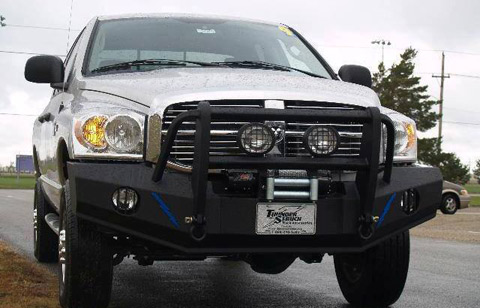
- Calculate Weight Distribution: Heavy front bumpers, winches, and steel bed racks add substantial weight. Ensure your suspension can handle the load without sagging or compromising braking performance.
- Monitor Electrical Load: High-draw accessories like auxiliary LED light bars, winches, or onboard air compressors require stable power. Verify that your battery, alternator, and wiring harnesses are rated to handle the increased electrical demand safely.
5. Balancing Aesthetics with Practical Functionality
Visual customization allows owners to express personal style, but aesthetic enhancements should never compromise road safety or basic vehicle utility.
- Lighting Upgrades: LED light bars and pod lights provide excellent visibility off-road. However, ensure auxiliary lighting is installed correctly and switched off during standard street driving to prevent blinding oncoming traffic and violating local road regulations.
- Wheels and Tires: Upgrading to larger off-road tires changes your final drive ratio, speedometer accuracy, and fuel consumption. Match your tire choice to the actual terrain you drive on most frequently.
Conclusion
Upgrading your truck with the right accessories is an investment in functionality, comfort, and protection. By clearly identifying your vehicle’s primary use, prioritizing high-quality materials, respecting mechanical weight limits, and choosing vehicle-specific fitments, you can build a capable, dependable machine tailored precisely to your lifestyle. Take your time, research thoroughly, and upgrade purposefully to get the absolute best out of your truck.