Buying a car with cash is one of the most financially liberating decisions a driver can make. By avoiding the trap of high-interest auto loans and monthly payments that can stretch for seven years or more, you gain immediate equity and lower insurance costs. However, the “cash car” market—typically defined by vehicles priced between $5,000 and $15,000—requires a different strategy than walking into a dealership and signing for a new model.
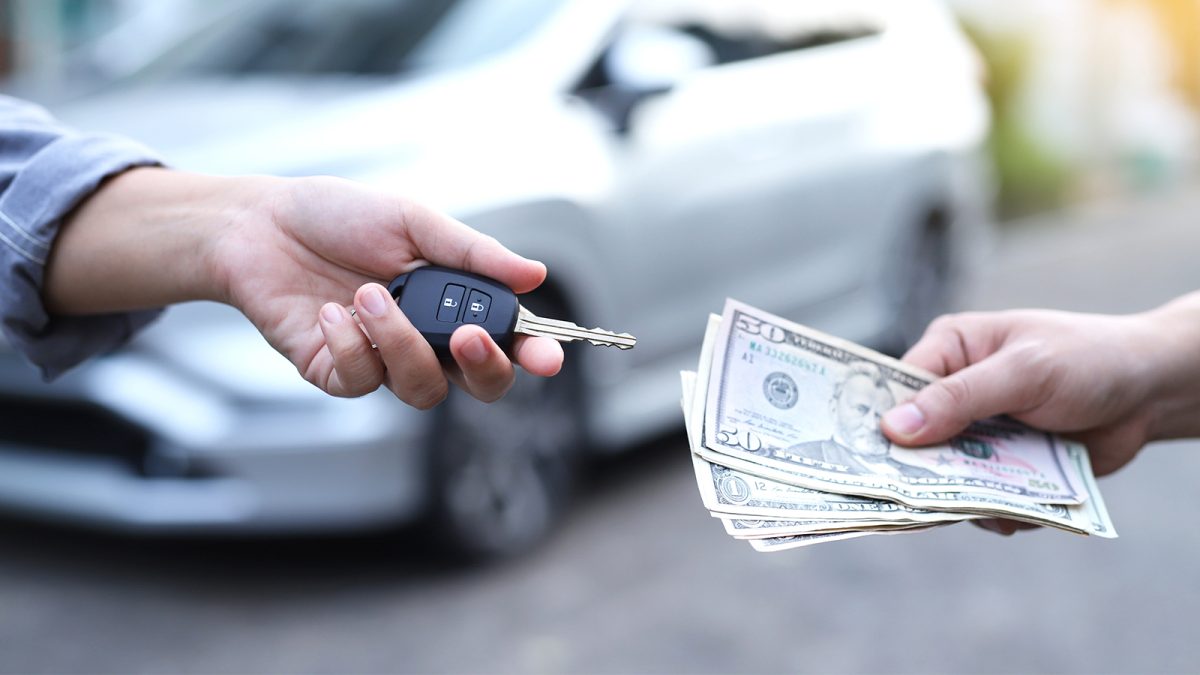
Finding a reliable vehicle that won’t turn into a “money pit” requires patience, research, and a keen eye for detail. Here is an expert guide on how to navigate the market and find the best cash car for your needs.
Define Your Budget and “The Emergency Buffer”
The first mistake many cash buyers make is spending their entire savings on the purchase price. When buying a used car, you must account for the “Initial Repair Fund.”
As a rule of thumb, if you have $10,000 in cash, you should look for cars priced at $8,500. The remaining $1,500 should be set aside for immediate taxes, registration fees, and the inevitable maintenance items that the previous owner likely neglected, such as new tires, a battery, or a fluid flush. A cash car is only a bargain if it stays on the road.
Focus on “Unsexy” Reliability
If you are looking for the best value, you must prioritize reliability over brand prestige or high-tech features. The goal of a cash car is to provide the lowest cost of ownership per mile.
Historically, Japanese manufacturers like Toyota and Honda have dominated this space due to their over-engineered engines and transmissions. Models like the Toyota Camry, Corolla, or the Honda Civic and Accord are staples for a reason. However, because everyone knows they are reliable, they often command a “reliability tax” (a higher price tag).
To find better deals, look for “unsexy” but sturdy alternatives. This includes:
- Mazda3 or Mazda6: Excellent reliability with more engaging driving dynamics.
- Buick LeSabre or Lucerne: Often owned by older drivers who maintained them meticulously, featuring the legendary 3.8L V6 engine.
- Pontiac Vibe: Underneath the Pontiac badge, this is actually a Toyota Matrix, offering Toyota reliability at a lower domestic price point.
Where to Look: Private Party vs. Independent Lots
The best cash cars are rarely found at massive franchise dealerships. You have two primary avenues:
1. Private Party Sellers (Facebook Marketplace, Craigslist)
This is where the best deals live. Buying from an individual allows you to interview the person who actually drove the car. You can ask for maintenance records and gauge how they treated the vehicle. A car sold by its original owner in a quiet neighborhood is often a “gold mine.”
2. Small Independent Lots
Be cautious here. These dealers often buy cars from auctions that larger dealerships rejected. While you can find gems, these cars often lack a known service history. If you buy from a lot, verify their reputation through online reviews and never skip a mechanical inspection.
The Art of the Visual and Mechanical Inspection
Before you even turn the key, perform a thorough walk-around. Look for inconsistent paint colors on different panels, which suggests a previous accident. Check the tires; if they are a “no-name” budget brand, it may indicate the owner took shortcuts on maintenance elsewhere.
Once inside, check every single button. Does the A/C blow cold? Do the power windows struggle? These are negotiation points. However, the most critical checks happen under the hood:
- The Oil: Pull the dipstick. If the oil is milky or looks like chocolate milk, walk away immediately; this indicates a blown head gasket.
- The Transmission Fluid: It should be red or pink. If it smells burnt or looks black, the transmission may be on its last legs.
Never Skip the Pre-Purchase Inspection (PPI)
This is the most important step in the entire process. No matter how clean a car looks, you must take it to a trusted third-party mechanic for a Pre-Purchase Inspection.
For a fee of usually $100 to $200, a professional will put the car on a lift. They can spot hidden frame damage, leaking struts, or thinning brake pads that you might miss. If a seller refuses to let you take the car to a mechanic, consider that a massive red flag and move on to the next listing.
Running the Vehicle History Report
Before handing over the cash, run a Carfax or AutoCheck report using the Vehicle Identification Number (VIN). This report will reveal if the car has a “Salvage” or “Rebuilt” title. While rebuilt cars are cheaper, they are harder to insure and can have compromised safety structures. Stick to “Clean Title” vehicles to ensure the best resale value and safety for your family.
Mastering the Negotiation
Negotiating for a cash car is about logic, not emotion. Use the findings from your mechanic’s inspection to justify a lower price. If the mechanic says the car needs $600 in new brakes, politely ask the seller to drop the price by that amount.
Having the physical cash on hand is a powerful psychological tool. Showing a seller that you are ready to complete the paperwork and take the car off their hands immediately often motivates them to accept a lower offer than someone asking for “seller financing” or a holding period.
Conclusion
Finding the best cash car is a marathon, not a sprint. It requires filtering through dozens of mediocre listings to find the one well-maintained gem. By focusing on reliable brands, verifying the vehicle’s history, and insisting on a professional inspection, you protect your investment.
The reward for this effort is a vehicle that provides freedom. Without a monthly car payment, you can redirect that money into your savings, investments, or travel, all while enjoying the peace of mind that comes with owning your transportation outright.
Would you like me to help you draft a specific checklist for your next car inspection or perhaps research the reliability ratings for a specific model you have in mind?