The role of a bus driver is a cornerstone of modern infrastructure. Whether navigating busy urban streets in a double-decker, transporting children safely to school, or driving tourists across scenic motorways, bus drivers are the pulse of public transportation. Beyond the steering wheel, this profession offers job security, the opportunity to meet diverse people, and the satisfaction of providing a vital public service.
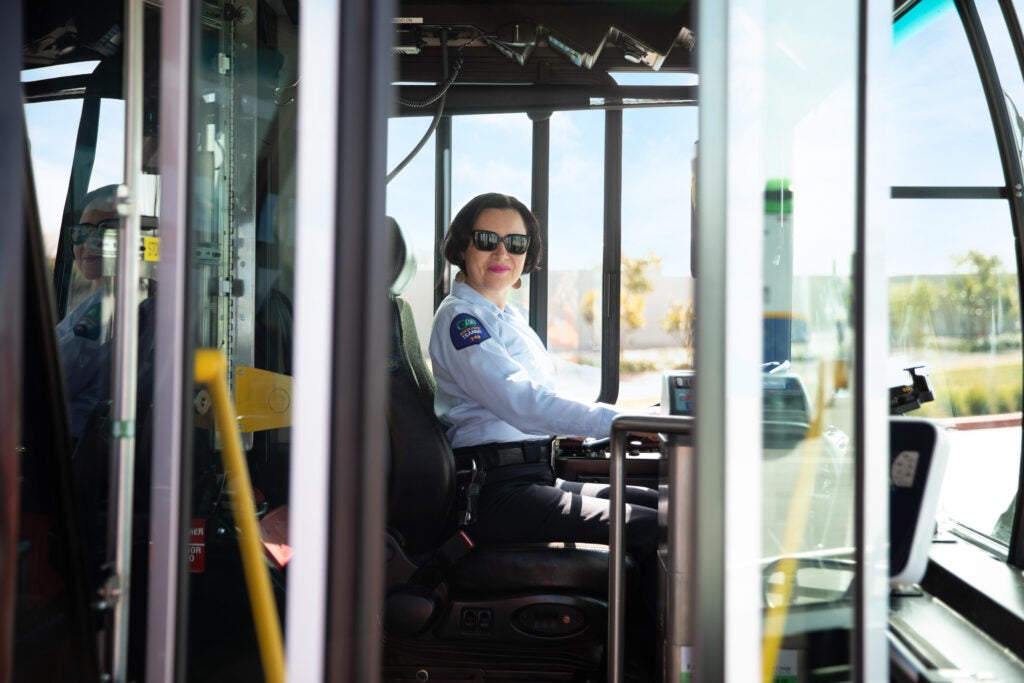
However, becoming a professional bus driver involves more than just having a passion for the road. It requires a specific set of skills, rigorous training, and a specialized licensing process. If you are considering this career path, this guide provides a comprehensive breakdown of the training and licenses required to get you into the driver’s seat.
Understanding the Legal Requirements
Before you can even apply for training, you must meet several foundational legal requirements. These vary slightly by country, but the core principles remain consistent globally.
First and foremost, you must hold a valid standard driver’s license. Most authorities require you to have held this license for at least one to two years to demonstrate basic driving competency. Secondly, there is an age requirement; in many regions, you must be at least 18 or 21 years old to operate a large passenger vehicle.
Lastly, you must pass a Medical Examination. Driving a bus is physically demanding and carries a high level of responsibility. A doctor will check your vision, hearing, and heart health, and screen for conditions like epilepsy or diabetes that could impair your ability to drive safely. You will also likely undergo a background check to ensure you have a clean driving record and no significant criminal history.
The Licensing Process: From Standard to Commercial
To drive a bus, you need a specialized category of license. In the United States, this is known as a Commercial Driver’s License (CDL), while in the United Kingdom and Europe, it is referred to as a Category D license.
The Theory Test
The first hurdle is the theory portion. This isn’t your standard driving test; it covers advanced topics such as:
- Passenger Safety: How to manage large groups and ensure everyone is seated or secured.
- Vehicle Mechanics: Understanding air brakes, suspension systems, and daily safety inspections.
- Road Regulations for Large Vehicles: Height restrictions, weight limits, and turning radiuses.
The Practical Test
Once you pass the theory exam, you move on to practical training. You will spend dozens of hours behind the wheel of a bus with a certified instructor. The test itself evaluates your ability to reverse in tight spaces, navigate intersections without clipping curbs, and perform emergency stops.
Specialized Endorsements and Certificates
Simply having a bus license is often not enough. Depending on the type of work you want to do, you may need specific Endorsements.
- Passenger (P) Endorsement: This is the most common, required for any vehicle designed to transport a certain number of people (usually 16 or more).
- School Bus (S) Endorsement: This involves additional training on student management, loading/unloading zones, and specific school bus safety laws.
- CPC (Certificate of Professional Competence): In the UK and EU, drivers must hold a CPC. This is a qualification that must be renewed every five years through periodic training to ensure that drivers stay updated on the latest safety and environmental regulations.
Professional Training: Beyond the License
While the license proves you can legally drive, professional training programs teach you how to be a successful driver. Many large transport companies offer “Paid Training Schemes” where they cover the cost of your license in exchange for a commitment to work for them.
These training programs focus on:
- Customer Service: Learning how to handle difficult passengers, assist those with disabilities, and manage ticketing systems.
- Route Knowledge: Familiarizing yourself with complex city grids, bus lanes, and timetables.
- Defensive Driving: Advanced techniques to anticipate the mistakes of other drivers and avoid accidents in heavy traffic.
- Emergency Protocols: What to do in the event of a fire, a medical emergency on board, or a mechanical failure.
The Daily Life and Career Progression
Once you have your license and have completed your training, you enter a profession with clear paths for advancement. Most new drivers start with local transit routes. With experience, you can move into:
- Intercity Coach Driving: Longer routes with fewer stops and higher-speed driving.
- Private Charter/Tour Driving: Often involves traveling to tourist destinations and staying overnight.
- Operations and Management: Many bus company managers began their careers as drivers, using their “on-the-ground” experience to run entire fleets.
Conclusion
Becoming a bus driver is a journey that requires discipline, a commitment to safety, and a willingness to learn. While the process of obtaining licenses and passing medical checks can seem daunting, it is designed to ensure that only the most capable individuals are responsible for the lives of passengers.
With the global demand for public transport increasing as cities look for greener ways to move people, there has never been a better time to start your training. If you enjoy driving and want a career that offers both stability and a sense of community, the path to becoming a bus driver is well worth the effort.
Would you like me to research specific bus driver training programs or salary expectations in your local area to help you get started?